
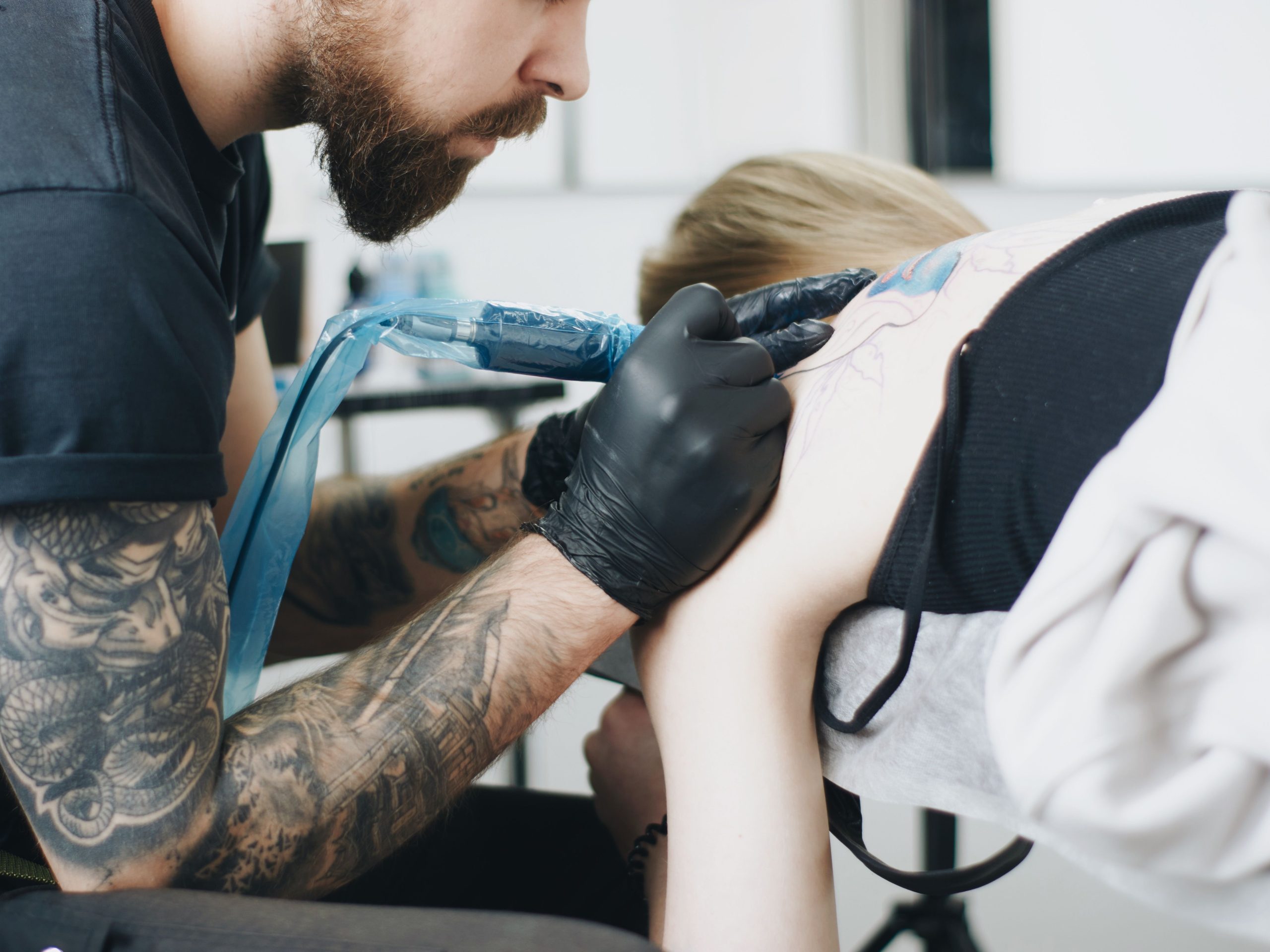
Great tattooing is a mix of two worlds: solid craft at the needle and clear communication before the session even starts. Whether you are learning how tattoo machines work, planning your first design, or running a busy studio, understanding both sides makes the whole experience safer and smoother. Helpful guides like TattooFancy break down practical fundamentals—from machine setup and beginner practice habits to design ideas and aftercare. At the same time, modern platforms like InkArtists help connect clients, independent artists, and tattoo studios so ideas turn into organized, stress-free appointments.
Below is a simple guide to the technical basics of tattooing, how good aftercare protects fresh ink, and how digital booking tools make life easier for both clients and artists.
Understanding Tattoo Machines and Safe Practice
Every tattoo starts with a machine moving fine needles rapidly up and down to place pigment into the second layer of skin, known as the dermis. Placing ink at the right depth is critical: too deep, and the ink can spread under the skin; too shallow, and the lines may fade while healing.
Artists generally rely on two main types of machines:
- Rotary and pen-style machines: Driven by a quiet electric motor, these machines deliver smooth, steady needle movement. Many beginners and fine-line artists prefer them because they are lightweight and comfortable during long sessions.
- Coil machines: Traditional coil machines use electromagnetic coils and springs. They are heavier and louder, yet many experienced artists love their strong hit for bold outlines and classic styles.
For anyone learning the craft, patience and safety come first. Beginners should build steady hand control on practice skins or fruit for months before ever working on real skin. Strict hygiene—single-use needle cartridges, fresh gloves, clean barriers, and proper sanitation—is always mandatory.
How InkArtists Simplifies Discovery and Booking
Even the most talented artist can struggle when client messages are scattered across social media DMs. Missing details about size, body placement, or budget often leads to endless back-and-forth chats. That is where InkArtists steps in as a dedicated platform built specifically for the tattoo community.
Its services help every part of the tattoo process:
- For clients finding an artist: Users can browse verified artists by city and style—such as fine line, blackwork, realism, traditional, or Japanese—and view real healed work and open dates before sending a message. Instead of writing vague DMs, clients submit one structured booking request with their design idea, size, placement, budget, and reference photos.
- For independent and traveling artists: Artists get a single shareable booking link, a unified inbox, calendar scheduling, and zero-commission deposit collection. If an artist travels for guest spots or tattoo conventions, they can set up dedicated trip pages so local clients can book dates in advance.
- For tattoo studios: Studios can manage their team calendar, route incoming requests to the right resident artist, handle walk-ins, use digital consent forms, and list open chairs or apprenticeships on the jobs board.
Post-Ink Care: Protecting Your New Tattoo
Once the appointment is finished, healing becomes the client’s responsibility. A fresh tattoo is an open skin wound, and the first two to four weeks determine how clean and vibrant it will look for years.
- Wash gently: Use lukewarm water and mild, fragrance-free soap, then pat dry with a clean paper towel.
- Moisturize lightly: Apply a very thin layer of recommended aftercare balm or lotion so the skin can breathe.
- Never pick or scratch: Light flaking and itching are normal. Picking scabs can pull out pigment and cause scarring.
- Avoid sun and soaking: Stay out of pools, baths, and direct sunlight until the skin is fully healed, and use sunscreen afterward to keep colors sharp.
Bringing Craft and Convenience Together
Learning how machines work, respecting hygiene, and following proper aftercare give every tattoo the best chance to heal beautifully. When you pair that knowledge with clear planning, getting tattooed becomes a much better experience from start to finish.
If you are ready to explore portfolios, organize your next tattoo idea, or manage your studio bookings without the usual DM chaos, visit InkArtists to connect with artists and studios near you.